How to Automate Household Inventory and Eliminate the Mental Load of Restocking
Set up smart triggers that track household supplies and restock them automatically, so no one has to remember toilet paper, detergent, or snacks.

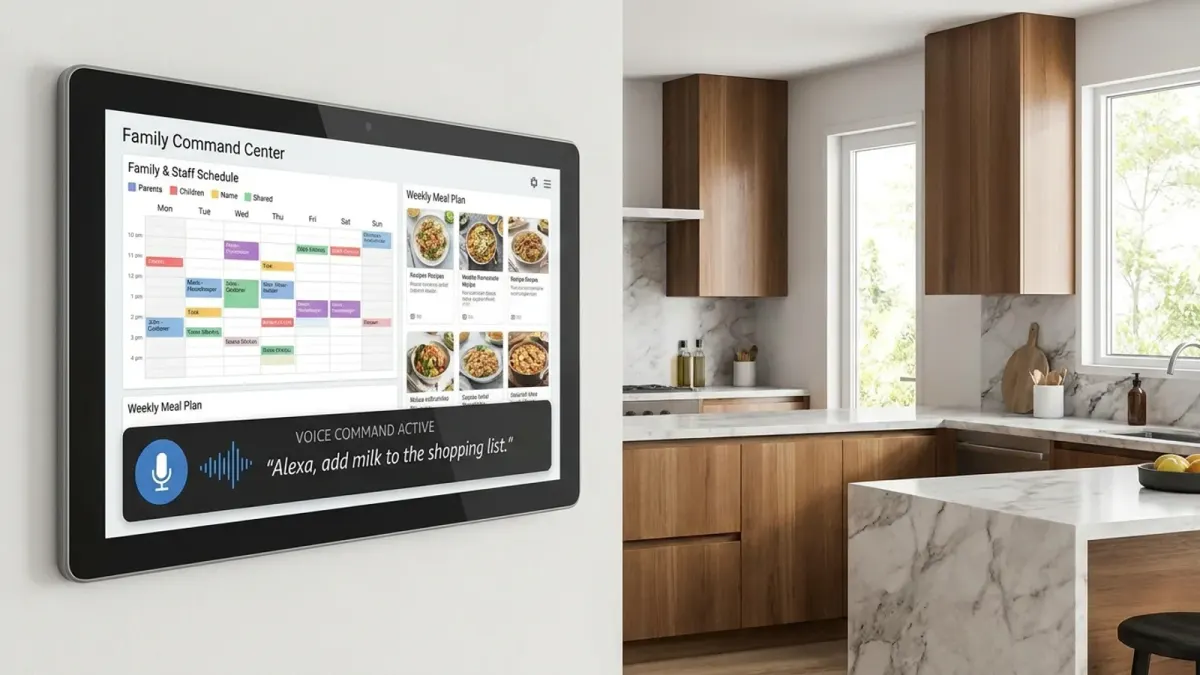
To automate household inventory and eliminate the mental load of tracking supplies, you can configure Home Run’s smart triggers to act as your private AI household manager. Instead of relying on you to notice when toilet paper or laundry pods run low, Home Run learns your family’s consumption habits and proactively adds non-perishable essentials to your cart before you run out.
Modern parenting requires managing an astonishing amount of logistical data. You are expected to know exactly how many trash bags are left under the sink, whether the backup bottle of shampoo has been opened, and if there are enough snacks to survive the weekend. This constant background processing drains your energy and pulls you away from being present with your family. By shifting this responsibility to a proactive family command center, you can reclaim your time and mental bandwidth. In this guide, we will show you exactly how to set up smart grocery triggers so you never have to manually check the pantry again.
The Hidden Cost of ‘Just Checking the Pantry’
The Cognitive Weight of Household Goods
The exhaustion you feel at the end of the week isn’t just from the physical tasks of parenting; it is heavily tied to the invisible labor of household management. This invisible labor in the home heavily involves the cognitive work of maintaining household inventory, such as noticing when diapers, cleaning supplies, or toilet paper need replenishing before they run out.
Your brain is constantly acting as a human barcode scanner. Every time you walk past the laundry room, you are subconsciously calculating how many loads are left in the detergent bottle. Every time you change a diaper, you are doing mental math to determine if the current box will last until Sunday. This is not a shared burden in most homes. In fact, 71% of mothers report managing the majority of the household’s mental load, which includes the relentless cognitive labor of tracking inventory and anticipating family needs. This constant state of vigilance leaves primary caregivers feeling depleted, as their minds are never truly off the clock.
The 46-Minute Emergency Run
When the human inventory system fails—which it inevitably does, because you are a parent, not a warehouse manager—the consequences are immediate and frustrating. You reach for a dishwasher pod after dinner, only to find an empty container. Suddenly, your evening relaxation is replaced by an emergency trip to the store.
These unplanned trips add up to a staggering loss of personal time. The average American consumer visits the grocery store once every 4.7 days and spends 46 minutes shopping per trip. When you factor in driving time, parking, navigating the aisles for a single item, and waiting in the checkout line, failing to track non-perishables adds a massive, unnecessary time burden to your week. Automating this process isn’t just about convenience; it is about aggressively protecting your limited free time.
Shifting from Reactive Lists to a Proactive Family Command Center
Why Static Checklists Fail Busy Parents
For years, the standard advice for managing household supplies has been to keep a running list on the fridge or use a shared digital note on your phone. But these static checklists share a fatal flaw: they are entirely reactive. They still require a human being to notice that a supply is running low, remember to open the app, and manually type the item into the list.
If you forget to write down “paper towels” in the five seconds between noticing the empty roll and dealing with a toddler’s spilled juice, the system breaks. Static apps do not reduce your mental load; they merely change the location where you store your anxiety. You are still the one doing the heavy lifting of monitoring the inventory.
How AI Anticipates Your Restock Needs
To truly eliminate this invisible labor, you need an AI household inventory tracker that operates independently of your memory. Home Run shifts your household from a reactive model to a proactive one.
Instead of waiting for you to report an empty box, Home Run uses predictive algorithms to monitor your family’s unique burn rate. By analyzing how frequently you purchase specific items and cross-referencing that with your household size, the AI learns exactly how long a 120-pack of diapers or a 6-pack of paper towels will last in your home. As the projected run-out date approaches, Home Run’s smart grocery triggers automatically queue the item for your next delivery. The system anticipates your needs, effectively removing the middleman—your exhausted brain—from the inventory equation.
How to Build Your First Smart Grocery Triggers
Identifying Your ‘Never Run Out’ Essentials
The first step to automate household inventory is to identify the high-stakes non-perishables that keep your home functioning. Do not try to automate every single item in your pantry on day one. Instead, focus on the essentials that cause the most friction when they run out.
For most families, this list includes:
- Paper products: Toilet paper, paper towels, and facial tissues.
- Cleaning supplies: Laundry pods, dishwasher detergent, and multi-surface sprays.
- Baby and pet care: Diapers, wipes, formula, and dog or cat food.
- Pantry staples: Toddler snacks, coffee beans, and trash bags.
Open the Home Run app and navigate to your inventory dashboard. Select your top three to five items to serve as your initial test group for smart triggers.
Setting Baseline Frequencies
For the AI to accurately predict when you will run out of an item, it needs a starting point. When you set up a new smart trigger in Home Run, you will be prompted to input a baseline frequency.
Think about your average usage. If you do one load of laundry every day, a 60-count tub of laundry pods will last exactly two months. If your toddler eats two specific snack bars a day, a box of 24 will last 12 days. Input these rough estimates into the app. You do not need to be perfectly precise; this baseline simply jumpstarts the AI’s learning process. Over time, as you approve or delay the automated restocks, the algorithm will refine its understanding of your household’s specific rhythm, becoming more accurate with every cycle.
Automate Grocery Shopping
The true magic of a proactive family command center happens when you connect your inventory tracking directly to your purchasing habits. Identifying that you need toilet paper is only half the battle; getting it into your home without a dedicated trip is the ultimate goal.
Within Home Run, you can link your smart triggers directly to your preferred grocery delivery or curbside pickup service. When a trigger fires, the item isn’t just added to a digital checklist—it is actively pushed to your integrated shopping cart. When you are ready to finalize your weekly grocery order, your non-perishable essentials are already sitting in the cart, waiting for your approval. This seamless handoff is how you truly automate grocery shopping and permanently cross inventory management off your to-do list.
Training Your AI to Match Your Family’s Rhythm
Adjusting for Seasonal Shifts
Family life is not static, and your household’s consumption habits will naturally ebb and flow throughout the year. A rigid subscription service will blindly send you the same products every month, leading to cluttered cabinets or sudden shortages. Home Run’s smart triggers, however, are designed to adapt.
During the winter months, your family might burn through facial tissues and cold medicine at triple the normal rate. In the summer, your usage of sunscreen, bug spray, and travel wipes will spike. When you notice these seasonal shifts, simply adjust the frequency slider in your Home Run app. The AI will immediately recalculate the burn rate and adjust the upcoming restock dates. Once the season passes, you can dial the frequency back down, ensuring your inventory always matches your reality.
Handling Bulk Purchases
One of the biggest challenges of automated inventory management is accounting for unpredictable bulk purchases. If you make a spontaneous weekend trip to a warehouse club and buy a six-month supply of paper towels, you do not want your app to automatically order another pack three weeks later.
Home Run makes it easy to handle these anomalies. When you bring home an oversized haul, simply open the app and hit the “Snooze” or “Bulk Restock” button on the corresponding smart trigger. You can tell the AI that you just added 24 rolls to your pantry. The system will pause the automated tracking, recalculate the new depletion date based on your established burn rate, and quietly resume monitoring in the background. You get the financial benefits of buying in bulk without breaking your automated system.
Conclusion
The invisible labor of managing a household is a heavy burden, but it is no longer one you have to carry alone. By leveraging AI to monitor your family’s burn rate, you can eliminate the anxiety of empty cabinets and the frustration of emergency store runs. Open the Home Run app right now and configure smart triggers for your top three non-perishable essentials—like toilet paper, laundry pods, and diapers—to instantly offload that tracking from your brain to your private AI.